


What to do next when your child has been diagnosed with Pitt-Hopkins syndrome
Getting a diagnosis of Pitt-Hopkins syndrome is a milestone that can be difficult to process. You've likely received a lot of information, and it may feel overwhelming. Take time to process this news at your own pace. Understanding your child's diagnosis is a journey, not a race.
As you’re ready to think about what happens next, we're here to help you find clear, reliable information about what to expect. We’ve developed this guide with categories of information you may want to consider, based on academic and clinical training and conversations with hundreds of caregivers.
The information below is targeted at parents or other caregivers of children who have been genetically diagnosed with Pitt-Hopkins syndrome.
As you read the guide, keep in mind that every child is different. Your family’s experience with Pitt-Hopkins syndrome may not look exactly like anyone else’s, and an understanding of your child’s individual history is crucial to making informed decisions for their care.
Your First Steps
What to try to get done in the first 30 days after receiving a diagnosis of Pitt-Hopkins syndrome:
- 🧬 Consult a genetic counselor, if you haven’t already, to understand your child's Pitt-Hopkins diagnosis and what it means for your family
- 📲 Begin collecting and organizing medical records in one place; this will save time at every future appointment (Citizen Health can help!)
- 👩 Ask your child's doctor which specialists should be on the care team and get referrals started (wait times can be long)
- 📃 Create a one-page medical summary for appointments with details including your child's diagnosis, medications, and emergency contacts
1. Understanding a Pitt-Hopkins Syndrome Diagnosis
Receiving a Pitt-Hopkins syndrome diagnosis for your child can help explain why certain medical problems have occurred. A diagnosis can give some perspective on additional medical management recommendations or other potential medical issues that you and your doctors should monitor moving forward.
What is a diagnosis of Pitt-Hopkins syndrome?
Pitt-Hopkins syndrome is a rare neurological condition caused by a change (variant) in the TCF4 gene or a deletion of the part of chromosome 18 that contains this gene. The TCF4 gene is important for brain development and helps control the activity of many other genes involved in the nervous system.
When this gene has a change or is missing, it leads to a range of challenges including intellectual disability, developmental delays, distinctive breathing patterns, behavioral differences, and seizures. While most children with Pitt-Hopkins syndrome share some common features, specific symptoms and severity vary from person to person.
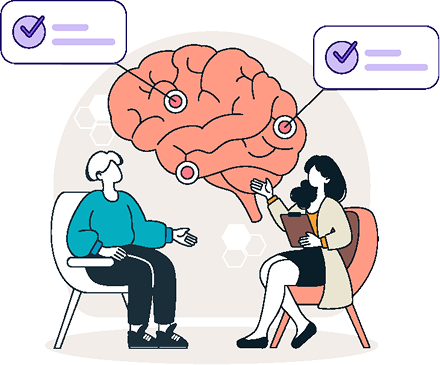
Top resources for finding accurate medical information on Pitt-Hopkins syndrome
Resources written for the general public
- Genetic and Rare Diseases Information Center: Pitt-Hopkins syndrome
- Medline Plus List of Genetic Conditions: Pitt-Hopkins syndrome
- National Organization for Rare Disorders (NORD) Rare Disease Database: Pitt-Hopkins syndrome
Science-heavy resources targeted at clinicians:
- National Library of Medicine GeneReviews: Pitt-Hopkins syndrome
- OMIM Online Catalog of Human Genes and Genetic Disorders: Pitt-Hopkins syndrome
Should I get a second opinion for a Pitt-Hopkins syndrome diagnosis?
Rare diseases require specialized expertise. Consider seeking a second opinion from a neurologist or geneticist. A fresh perspective can confirm the diagnosis, reveal additional treatment options, or simply provide reassurance about your care plan.
For many rare diseases, it can be hard to find a specialist with relevant experience. You can try asking providers you have seen, referring to community resources (see Section 5 below), or consulting a genetic counselor.
What does a genetic counselor do when my family has received a Pitt-Hopkins syndrome diagnosis?
Certified Genetic Counselors have completed a program of study focused on understanding and providing information about genetic disorders. A genetic counselor can help you understand the genetic aspects of Pitt-Hopkins, what it means for your family, and whether testing is recommended for siblings or other relatives.
Genetic counseling can take place in person or in a telemedicine visit. The National Society of Genetic Counselors offers a tool for finding a genetic counselor.
Should other family members undergo genetic testing for Pitt-Hopkins syndrome?
Pitt-Hopkins syndrome is primarily caused by new genetic changes (also called “de novo”) in the gene TCF4, which happen randomly and are not inherited from parents. In these cases, the risk for other family members is very, very low.
In more rare cases, a genetic mutation can be passed down from a parent who may have mild symptoms or carry the mutation in only some of their body’s cells.
Speaking with a genetic counselor about your child’s diagnosis can help determine if testing is recommended for parents, siblings, or other family members. Your genetic counselor can explain your family's specific situation, who should consider testing, and the best timing for those tests.

2. Managing Your Child’s Pitt-Hopkins Syndrome Medical Care
After a diagnosis, many families find themselves suddenly navigating a complex medical system with new providers, appointments, and decisions. It can feel like you’re expected to learn a new language overnight.
Many genetic conditions affect multiple body systems, meaning children with rare neurodevelopmental conditions often need care across multiple specialties, and families may end up acting as the main point of connection between them.
Staying organized and informed—including about research opportunities—can help you advocate for your child and ensure nothing important gets missed.
What should I ask my child’s neurologist about a Pitt-Hopkins syndrome diagnosis?
Knowing what to ask can help you make the most of appointments with specialists. You can use these questions as a guide to discuss care that is specific to your child’s diagnosis.
For questions specific to your child’s situation, Citizen Health offers a free doctor’s appointment preparation tool that incorporates your child’s Pitt-Hopkins medical records and provides appointment preparation suggestions through an AI chat interface.

What symptoms should we monitor for Pitt-Hopkins syndrome?
- Children with Pitt-Hopkins syndrome can experience a range of symptoms that may change over time. Here are key areas to watch and discuss with your child's medical team:
- Breathing patterns: Episodes of rapid breathing (hyperventilation) followed by breath-holding or slowed breathing, which typically occur while awake and may be triggered by excitement, anxiety, or tiredness. These episodes can sometimes cause a bluish color of the skin or lips, indicating low oxygen levels. In some older children with recurrent breathing episodes, the fingertips and toes may become widened or rounded (clubbing).
- Seizures: Many children develop seizures during childhood, though they can begin in infancy. Seizures may look like staring spells, loss of awareness, or unusual movements.
- Development: Children typically have moderate to severe intellectual disability and experience delays in reaching developmental milestones, including walking and fine motor skills like picking up small objects.
- Communication: Speech is significantly affected, and most children do not speak or only can say a few words. However, receptive language (understanding) is often stronger than expressive language (speaking ability).
- Sleep: Sleep disturbances are common and can take various forms.
- Gastrointestinal: Constipation and other digestive issues, including reflux and feeding difficulties, can occur frequently.
- Vision: Severe nearsightedness (myopia) is common, and some children have eyes that don't look in the same direction (strabismus).
- Behavior and mood: While many children have happy, social dispositions, behavioral challenges may occur. Some children also have autism spectrum disorder.
- Physical features: Children may have distinctive facial features, an unusually small head (microcephaly), small hands and feet, or other minor physical differences.
What is the expected progression of Pitt-Hopkins syndrome?
- The progression of Pitt-Hopkins syndrome varies from child to child. Developmental delays are typically noticed early in life. Breathing problems and seizures often first appear during childhood but can begin in infancy. While the specific symptoms and their severity can be different depending on the child, most children with Pitt-Hopkins syndrome benefit from ongoing developmental therapies, medical management, and support services tailored to their individual needs throughout childhood and into adulthood.
What treatments are available for Pitt-Hopkins syndrome?
- Various therapies and supportive care can help manage symptoms and make a difference in quality of life for children with Pitt-Hopkins.
- Developmental therapies: Early intervention services including physical therapy, occupational therapy, and speech therapy can help children develop skills and alternative communication methods.
- Medical management: Seizures can sometimes be treated with anti-seizure medications tailored to your child's specific seizure type. Gastrointestinal issues like constipation can be managed with dietary changes, stool softeners, or other medications. Breathing problems may require monitoring and, in some cases, interventions to support respiratory function. Feeding difficulties may be addressed through feeding therapy or nutritional support.
- Supportive services: Behavioral support strategies can address anxiety and other behavioral challenges. Educational services tailored to your child's needs can support ongoing learning and development. Other physical supports or treatment for scoliosis can help with mobility and positioning.
- Future treatments: There is ongoing research to develop new treatments for Pitt-Hopkins syndrome, including clinical trials for gene therapy and other targeted treatments (see more information below).
What healthcare providers should be on my child’s care team for Pitt-Hopkins syndrome?
Your child’s Pitt-Hopkins syndrome care team is the group of providers who work together to support your child's health, development, and quality of life.
Pitt-Hopkins syndrome affects multiple body systems. Your child may benefit from specialists including developmental pediatrics, gastroenterology (for constipation, reflux, and feeding issues), pulmonology (for breathing problems), ophthalmology (for vision issues), orthopedics (for scoliosis or other skeletal concerns), and psychiatry or behavioral specialists (for anxiety and behavioral challenges).
Therapeutic providers, such as a physical therapist (mobility and motor skills), occupational therapist (daily living skills and fine motor development), speech-language pathologist (communication and feeding), or behavioral therapist (supporting emotional regulation and adaptive behavior), are equally important members, supporting your child's development, communication, and daily functioning. Ask your doctor which providers make sense for your child's specific needs. For a deeper look at therapeutic services and how to access them, see Section 3.
Ask your doctor which specialists should be part of your child's care. Geneticists, doctors who specialize in genetic disorders, are often very good at managing care for patients with complex rare diseases like Pitt-Hopkins syndrome.
Finding clinical trial opportunities & supporting research into Pitt-Hopkins syndrome
When you participate in research, you help your child and other families in the future. Medical research studies can be very different from each other. Some test new treatments, while others are "natural history studies" that just collect information about a disease’s impact over time.
Clinical trials are research studies that help doctors find new treatments. Some trials test new medicines or therapies that aren't available yet. Even if you may choose not to participate, it can be good to know what options exist for your child's condition. There are a few clinical trials underway for Pitt-Hopkins syndrome, some of which involve gene therapy. Gene therapies work by adding or changing a person’s DNA, which is like an instruction manual for our bodies. These treatments target the cause of Pitt-Hopkins syndrome by fixing the instructions for a person’s body, rather than treating the downstream symptoms. Your child's doctor can help you find trials that might be a good fit. You may also use resources developed by patient groups such as the Pitt-Hopkins Research Foundation’s Research Pipeline, or a registry maintained by the U.S. government at clinicaltrials.gov.
Natural history studies are designed to help researchers learn more about the condition. This information is important for creating future treatments. Traditional natural history studies can involve additional medical appointments over the course of several years.
Patient registries collect health information from people with specific diseases to help research move faster and connect families with clinical trials. Registries also show researchers and drug companies that families are engaged and want to help develop new treatments, which can bring more funding and research attention to a disease. Some diseases have more than one registry you can join. Patient Advocacy Groups typically establish and maintain patient registries for specific rare diseases. (See Section 5 below to learn more).
Organizing and maintaining your child’s medical records for Pitt-Hopkins syndrome
Rare disease patients see many different doctors, often across different medical and technological systems that may not talk to each other. Unfortunately, that means the burden often falls on caregivers to track care holistically, identify “gaps,” and make sure nothing gets missed. Keeping your records as organized and centralized as you can from early on is likely to improve your ability to manage your child’s care down the road.
You can start by creating a one-page sheet with your child's diagnosis, current medications, allergies, and emergency contacts. Bring this sheet to every appointment. It can really help in emergencies or when you see a new doctor.
Many caregivers establish one (or several) records binder(s) in which they keep track of appointments, medication updates, symptoms, and other ongoing medically relevant information.
We also encourage caregivers to consider Citizen Health’s free tools for centralizing, managing, accessing, and extracting key information from health records. Our system will collect all your health records, across doctors and health systems, making them available on our secure online platform that can provide answers in real time based on questions you ask (like “What medications has my child been prescribed in the past year?” or “When did we last see an orthopedist?”)
As a company built by rare disease caregivers, we aim to overcome the need for physical records binders. But ultimately the important question is what works for you and your family.

Thousands of caregivers use Citizen Health.
3. Developmental Therapies, Education & Daily Support for Children with Pitt-Hopkins Syndrome

Caring for a child with a rare genetic disease involves more than doctor visits. Alongside medical care, your child may benefit from therapies, educational services, and practical support that address development, communication, mobility, and daily functioning. These services often begin early and evolve as your child grows, moving from early intervention into school-based support and beyond.
The right therapies, educational plans, and adaptive tools can make a meaningful difference in your child's learning, independence, and quality of life; and yours.
Before age 3: Understanding early intervention services for children with Pitt-Hopkins syndrome
Early intervention provides therapies and support for children from birth to age 3 who have delays or disabilities. Services may include physical therapy, occupational therapy, speech therapy, and other developmental support.
Every state has an early intervention program, and you can ask for an evaluation even if your child doesn't have a formal diagnosis yet. In some states, early intervention programs are called “birth to three”, “early steps”, or “first steps”.
It’s never too early to search for early intervention services in your state. Learn more from ECTA, the Early Childhood Technical Assistance Center.
3 & up: School services for children with Pitt-Hopkins syndrome
IEPs and 504 plans
When your child turns 3, they move from early intervention to school-based services. An Individualized Education Program (IEP) is a legal document that describes the special instruction, therapies, and support your child needs to learn at school.
A 504 plan provides accommodations for students who don't need special instruction but need support because of a disability. Understanding your rights and these plans helps make sure your child gets the right services throughout their school years.
Communicating with your school
Building a good relationship with your child's school team is important. You know your child better than anyone, and that knowledge is incredibly valuable. Come to meetings prepared with information about your child's needs, share your concerns and hopes openly, and never hesitate to ask questions if something isn't clear.
You are an equal and essential member of this team. Other members of your rare disease community can also be valuable resources for navigating your child’s school experience.
Assistive devices and equipment for Pitt-Hopkins syndrome
Depending on your child's needs, assistive technology and adaptive equipment can help with independence, communication, and quality of life. This might include communication devices (Augmentative and Alternative Communication or AAC) such as picture-based systems or speech-generating devices, mobility equipment, positioning supports, braces, or adaptive toys and tools. Your therapists can recommend the right devices, and many are covered by insurance or available through school programs.
Some devices and equipment can be expensive but can very often be covered by insurance. If coverage is denied, be sure to talk to your doctors about writing an appeal letter or a Letter of Medical Necessity. These documents can be critical for getting insurance coverage for devices and equipment.
Respite care
Caring for a child with complex medical needs is hard work, and taking breaks is important for your health and your family's wellbeing. Respite care provides temporary relief, giving you time to rest, handle other responsibilities, or just recharge. Options range from a few hours with a trained caregiver to overnight or weekend programs.
Respite isn't a luxury. It's a necessary part of taking care of your family long-term. The non-profit Access to Respite Care and Help (ARCH) provides guidance on how to find a respite care provider.
Building your support systems as a Pitt-Hopkins syndrome caregiver
Being a caregiver to a child with Pitt-Hopkins syndrome is a heavy responsibility. You can't do it alone, and you don’t have to. Building a network of support including family, friends, medical providers, therapists, other parents, and community resources, creates a safety net for hard days as well as people to celebrate victories with.
When asking for help, it helps to be specific: people want to support you but often don't know how. Whether it's meals, watching your other children, or just someone to listen, letting others help is good for everyone.
Don’t forget about support for other family members! If your child has siblings check out the Sibling Support Project.

4. Insurance Navigation & Financial Assistance for Children with Pitt-Hopkins Syndrome
Navigating the financial aspects of your child's care can feel overwhelming, but understanding your options can help you access the resources your family needs.
As health care costs for children with Pitt-Hopkins syndrome are often more than what insurance typically covers, it is essential to explore all assistance programs available. Your child may qualify for Medicaid through special pathways for children with disabilities, even if your family's income wouldn't normally make you eligible.
Knowing and documenting what your insurance covers, from therapy visits to treatment, may help you navigate potential denials and appeals. Hospital staff called financial counselors can guide you through coverage questions, and federal laws like the Genetic Information Nondiscrimination Act (GINA) offer some legal protections against unfair treatment.
Medicaid and Social Security eligibility for Pitt-Hopkins syndrome
Even if your family income exceeds typical Medicaid limits, children with Pitt-Hopkins syndrome may qualify for Medicaid through special pathways designed for those with disabilities or significant medical needs.
A program called Katie Beckett or TEFRA waivers allows children with disabilities to qualify for Medicaid based on their own income rather than family income. Additionally, children with significant functional limitations may qualify for Supplemental Security Income (SSI), which provides monthly payments and often automatically qualifies them for Medicaid. These programs can provide crucial coverage for therapies, equipment, and services private insurance won't cover.
Learn more about Medicaid in your state through this interactive map from NORD.
ABLE savings accounts for Pitt-Hopkins syndrome
On that note, if your child qualifies for SSI, they may also be eligible for an ABLE (Achieving a Better Life Experience) account. ABLE accounts are tax-advantaged savings accounts specifically designed for people with disabilities that are opened in a child’s name but do not count against the $2,000 asset limit that typically applies to programs like SSI and Medicaid. Find out more at ablenrc.org.
Understanding your insurance coverage for Pitt-Hopkins syndrome
What’s covered
Your insurance policy determines what services, therapies, equipment, and medications are covered for your child. Start by reading your plan documents to understand your benefits, deductibles, co-pays, and out-of-pocket maximums. Call your insurance company's customer service or case management department as many insurers assign case managers to children with complex medical needs who can help you understand your coverage.
Don't assume something isn't covered until you've asked. Many families are surprised to learn what benefits are available when properly documented.
Keep notes of every call you make, including the date, time, person you spoke with, and what they said. This documentation can be very helpful later.
Most children’s hospitals also have a financial counselor or patient navigator who may be able to help with insurance or financial coverage issues
Therapy & rehabilitation
When considering insurance coverage for therapies and rehabilitation services, make sure to see if your plan has a cap for the number of therapy visits per year. Many children with complex needs will exceed that cap and appeals or additional insurance coverage plans may be needed.
Medical equipment
If your child needs durable medical equipment such as a wheelchair, walker, orthotics, or at home equipment, getting insurance coverage for that equipment will likely require prior authorization or a letter of medical necessity.
Gene therapy
Gene therapies work by adding or changing a person’s DNA to fix the underlying instructions for our bodies. Since this technology is newer, as therapies move from clinical trials to FDA approval, there can sometimes be challenges getting insurance to cover the treatments. Understanding how coverage works, what challenges exist, and how to advocate for approval is essential for families whose children may benefit from these groundbreaking treatments.
Denials & appeals
Insurance companies often deny coverage for therapies, equipment, or medications at first but denials can often be overturned with the right documentation. If coverage is denied, you have the right to appeal, and many families win their appeals.
An effective appeal letter includes: your child's diagnosis and how it affects their daily life, specific medical reasons from doctors explaining why the service or item is necessary, references to your insurance policy language that supports coverage, research or medical guidelines supporting the treatment, and a clear request for reconsideration. Many patient organizations and hospital financial counselors can help you write strong appeals. You can even appeal multiple times, and many families win on their second or third attempt. You're advocating for your child, and persistence often pays off.
Non-discrimination protections for Pitt-Hopkins syndrome
The Genetic Information Nondiscrimination Act (GINA) is a federal law that protects you from genetic discrimination in health insurance and employment. Health insurance companies cannot use genetic information to deny coverage, raise your premiums, or determine eligibility. However, GINA does not cover life insurance, disability insurance, or long-term care insurance. Employers cannot use genetic information when making hiring, firing, or promotion decisions. Understanding these protections can give you confidence in pursuing genetic testing and sharing results with your child's healthcare providers without fear.
Learn more about these protections from the American Society of Human Genetics.
Caregivers use Citizen Health to draft insurance appeals — Saving hours while getting results.
5. Finding Your Pitt-Hopkins Syndrome Community
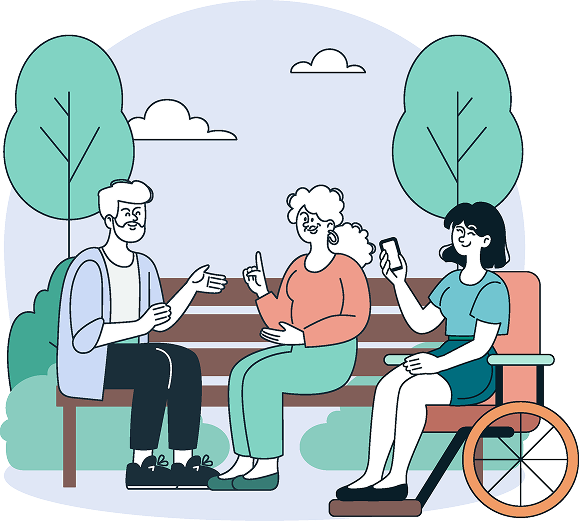
You don't have to navigate your child's Pitt-Hopkins syndrome journey alone. While each individual rare disease affects a small number of people, millions of families are living with rare diseases of some kind.
Other caregivers can offer practical advice and emotional understanding that comes from walking the same path. Patient advocacy groups and rare disease communities can also help you stay informed, advance research, and feel part of something larger.
Why connect with other Pitt-Hopkins families?
Finding and connecting with families who have walked in your rare disease shoes can be life-changing. Other parents navigating the same diagnosis can offer practical advice, emotional support and hope based on their shared experience. They can understand the daily challenges and the victories, big and small, in ways that others can’t. Disease-specific communities often become a lifeline and a source of hope that remind you that you are not alone.
Local Pitt-Hopkins syndrome support groups
Your genetic counselor or other healthcare provider may be able to connect you with local families in your area. It is totally appropriate to ask your providers if they know of any local families who might be willing to connect with you for a phone call or even a play date.
Some rare diseases are so exceptionally rare that it might not be possible to connect locally with another person with the same rare disease. But collectively, rare diseases are not that rare! Connecting with broader rare disease groups is another great option. Many states and communities have organizations that support all rare diseases.
Patient advocacy groups (PAGs) specific to Pitt-Hopkins syndrome
Patient advocacy groups exist for many rare diseases and serve as a central hub for connections, reliable information, research updates and advocacy efforts. These organizations work to advance research, improve care standards, raise awareness, and support families. They often host conferences, maintain family directories or registries, fund research, provide educational resources, and fight for policies that benefit the community.
Connecting with your disease's advocacy organization gives you access to experts, researchers, and a network of families while contributing to the larger mission of finding treatments and cures.
Citizen Health partners with Pitt Hopkins Research Foundation, an organization dedicated to finding a treatment for Pitt-Hopkins Syndrome, supporting the community, and providing resources. More information about this partnership can be found here.
Disease-specific conferences and events
Many patient advocacy groups will help spread awareness through conferences and events. These can include in person events or online events and are great opportunities to connect with others and to stay on the cutting edge of new research opportunities.
Attending a conference focused on your child's condition can be transformative. These gatherings bring together families, researchers, doctors, and advocates in one place. You'll hear about the latest research, learn from medical experts, meet families at different stages of the journey, and let your child connect with others like them.
Many families describe their first conference as the moment they felt less alone. While attending may require travel and expense, many organizations offer scholarships or financial assistance to help families participate. If you can go, it's often worth it.

Citizen Health partners with over 100 patient advocacy groups to build toward better answers and support research.
Looking Ahead
A diagnosis of Pitt-Hopkins syndrome introduces new responsibilities, decisions and systems that families are unsure of how to navigate. Although this page includes a lot of information, which can be overwhelming at times, we hope that you can return to it as a resource as you navigate this journey.
There's no fixed sequence for moving forward. Needs evolve. Priorities shift. Progress comes less from having all the answers and more from access to reliable information, coordinated care, and meaningful connections. With knowledge, organization, and support, you can make informed decisions, adapt as circumstances change, and move forward with confidence; even when the path is uncertain.
And don’t forget that caregiving includes taking care of yourself and of other family members too. Don’t be afraid to ask for help in tough moments—everyone needs it from time to time!
Just by taking time to learn more about the rare disease process and next steps, you are already taking steps to better care for your child.
Key Takeaways
Navigating a Pitt-Hopkins syndrome diagnosis doesn't happen all at once; it's a journey that unfolds over time. Focus on five key areas:
- Understanding your child's condition through reliable sources and genetic counseling
- Coordinating medical care and staying organized with records
- Accessing therapies and educational services that support your child's development
- Navigating insurance and financial assistance
- Connecting with other families and patient advocacy groups (PAGs).
Progress comes from taking one informed step at a time, building your support network, and advocating for your child with confidence—even when the path feels uncertain. Tools like Citizen Health's AI Advocate can help lighten the load by organizing medical records, preparing for appointments, and even drafting insurance appeals, giving you more time to focus on what matters most—your child.


Hear from real Citizen Health users:

Casey Dawley
Megan
AMAZING! Very useful.
Larissa

Brianna


Have questions about Citizen Health?
We're here to support you.

