3. Developmental Therapies, Education & Daily Support
Caring for a child with a rare genetic disease involves more than doctor visits. Alongside medical care, your child may benefit from therapies, educational services, and practical support that address development, communication, mobility, and daily functioning. These services often begin early and evolve as your child grows, moving from early intervention into school-based support and beyond.
The right therapies, educational plans, and adaptive tools can make a meaningful difference in your child's learning, independence, and quality of life; and yours.
Before Age 3: Understanding early intervention services
Early intervention provides therapies and support for children from birth to age 3 who have delays or disabilities. Services may include physical therapy, occupational therapy, speech therapy, and other developmental support.
Every state has an early intervention program, and you can ask for an evaluation even if your child doesn't have a formal diagnosis yet. In some states, early intervention programs are called “birth to three”, “early steps”, or “first steps”.
It’s never too early to search for early intervention services in your state. Learn more from
ECTA, the Early Childhood Technical Assistance Center.
3 & Up: School services
IEPs and 504 plans
When your child turns 3, they move from early intervention to school-based services. An Individualized Education Program (IEP) is a legal document that describes the special instruction, therapies, and support your child needs to learn at school.
A 504 plan provides accommodations for students who don't need special instruction but need support because of a disability. Understanding your rights and these plans helps make sure your child gets the right services throughout their school years.
Communicating with your school
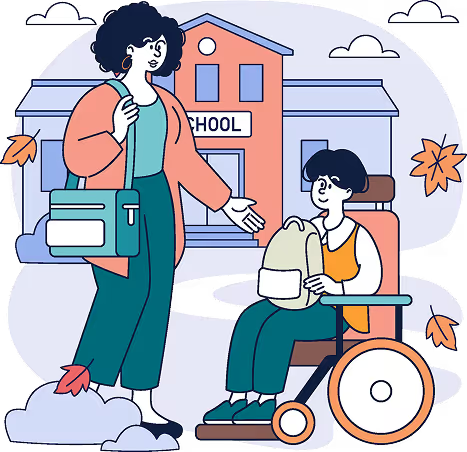
Building a good relationship with your child's school team is important. You know your child better than anyone, and that knowledge is incredibly valuable. Come to meetings prepared with information about your child's needs, share your concerns and hopes openly, and never hesitate to ask questions if something isn't clear.
You are an equal and essential member of this team. Other members of your rare disease community can also be valuable resources for navigating your child’s school experience.
Assistive devices and equipment
Depending on your child's needs, assistive technology and adaptive equipment can help with independence, communication, and quality of life. This might include communication devices (AAC), mobility equipment (walkers, wheelchairs), positioning supports, or adaptive toys and tools. Your therapists can recommend the right devices, and many are covered by insurance or available through school programs.
Some devices and equipment can be expensive but can very often be covered by insurance. If coverage is denied, be sure to talk to your doctors about writing an appeal letter or a Letter of Medical Necessity. These documents can be critical for getting insurance coverage for devices and equipment.
Respite care
Caring for a child with complex medical needs is hard work, and taking breaks is important for your health and your family's wellbeing. Respite care provides temporary relief, giving you time to rest, handle other responsibilities, or just recharge. Options range from a few hours with a trained caregiver to overnight or weekend programs.
Respite isn't a luxury. It's a necessary part of taking care of your family long-term. The non-profit Access to Respite Care and Help (ARCH) provides
guidance on how to find a respite care provider.
Building your support systems as a caregiver
Being a caregiver to a child with a rare disease is a heavy responsibility. You can't do it alone, and you don’t have to. Building a network of support including family, friends, medical providers, therapists, other parents, and community resources, creates a safety net for hard days as well as people to celebrate victories with.
When asking for help, it helps to be specific: people want to support you but often don't know how. Whether it's meals, watching your other children, or just someone to listen, letting others help is good for everyone.
Don’t forget about support for other family members! If your child has siblings check out the
Sibling Support Project.